
Published -
January 21, 2025
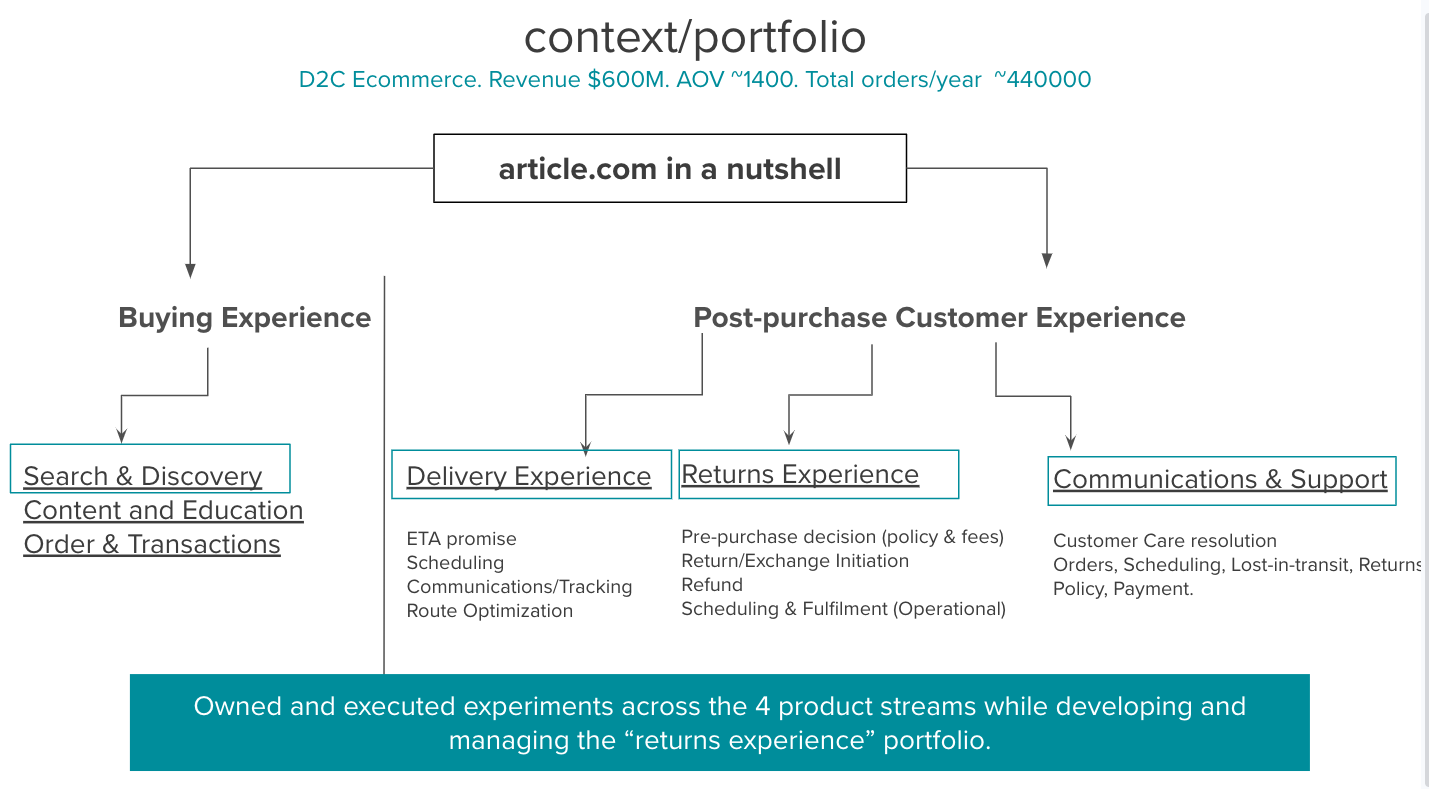
Product growth is a delicate balance of aligning business strategy, customer experience, and operational efficiency. At the core of achieving this balance lies experimentation—a methodical approach to solving problems, validating hypotheses, and delivering measurable impact. Here's how we addressed critical challenges in a post-purchase experience to drive growth, improve retention, and enhance customer loyalty.
1. Defining Growth Strategy
We began by crafting a post-purchase growth strategy that included identifying key growth levers through data-driven exploration and prioritizing areas for experimentation.
2. Leveraging Experimentation for Impact
We adopted a low-code/no-code approach to rapidly iterate on solutions, enabling quicker testing cycles and faster decision-making.
3. Aligning Outcomes to Business Metrics
Every experiment was aligned with tangible outcomes such as revenue uplift, customer retention, and operational efficiency.
Problem:
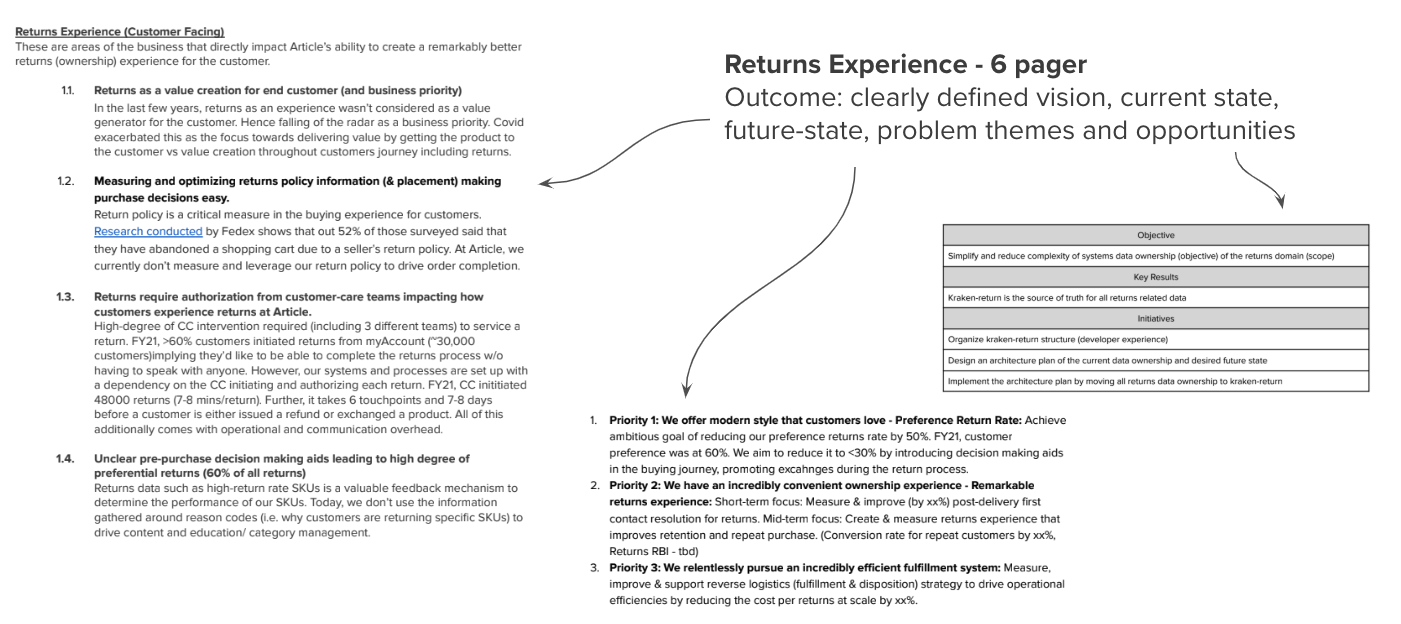
Customers initiating preference-based returns faced friction, while customer care (CC) teams handled a high volume of manual resolutions (>5000/month).
Hypothesis:
Adding an exchange option and personalized recommendations to the returns flow would increase exchange rates and reduce returns.
Execution:
Problem:
Detractors (NPS <3) who had negative experiences often initiated returns, risking churn.
Hypothesis:
Waiving service fees and offering targeted store credits would reduce frustration and encourage re-engagement.
Execution:

Problem:
Users with unused store credits often failed to make additional purchases.
Hypothesis:
Adding expiry dates to store credits would prompt re-engagement and increase purchase activity.
Execution:
Problem:
Customers frequently inquired about order and delivery status, causing anxiety and frustration.
Hypothesis:
Proactive delivery and return status updates would reduce inquiries and improve satisfaction.
Execution:
Hypothesis:
Offering exclusive discounts to trade customers would increase the repeat purchase ratio by 15%.
Execution:
Lessons Learned:



Through experimentation, we achieved:
Experimentation isn't just a process—it's a mindset that empowers teams to solve customer pain points, optimize experiences, and drive sustainable growth. By embracing a data-driven approach and iterating based on real-world outcomes, organizations can create meaningful, measurable impact for both customers and the business.


